Trusted Counseling Services in New York City for Couples
How Couples Therapy Can Transform Your Relationship Dynamics
Couples therapy serves as a valuable resource for partners and spouses striving to improve their relationship dynamics. It builds a structured environment for open communication, enabling individuals to explore their emotions and detect recurring issues. As both parties learn to express themselves better and address conflicts, they commonly find new channels for connection. Nevertheless, the journey continues beyond there. Appreciating the whole extent of benefits requires a closer look at the different aspects that counseling can transform.
Grasping the Purpose of Couples Counseling
While countless couples could initially hesitate to look for help, grasping the role of couples counseling can provide meaningful insights into relationship dynamics. Couples counseling operates as a safe space where partners can express their thoughts, feelings, and concerns without judgment. Qualified professionals lead these sessions, helping couples discover underlying patterns in their interactions that could lead to conflicts.
Therapists promote open communication, guiding partners to communicate their desires and expectations explicitly. This process often uncovers emotional triggers and unresolved issues that may not have been addressed previously. By promoting empathy and understanding, couples counseling encourages improved communication methods, permitting partners to navigate disputes more constructively.
In addition, therapy can assist partners set shared goals for their relationship, fostering a sense of teamwork. In the end, the role of couples counseling is to equip couples with relevant information strategies and tools to deepen their connection and work through obstacles together.
Pinpointing Typical Interpersonal Problems
Many couples face significant challenges that can strain their relationships, with communication breakdowns often being at the forefront. Trust issues frequently arise as a result of misunderstandings or unmet expectations, further complicating dynamics. Detecting these widespread concerns is vital for couples seeking effective resolutions through counseling.
Communication Issues
When partners find it difficult to communicate clearly, misinterpretations tend to emerge, causing significant relationship challenges. Such communication failures can appear in various forms, for example mistaken understandings of tone, body language, or intentions. For example, one partner may interpret a harmless comment as criticism, triggering defensiveness. Moreover, differing communication styles can compound interactions; some individuals may prefer directness, while others favor less direct communication. This variation can lead to frustration and feelings of being unheard. In many cases, busy lifestyles worsen the lack of meaningful dialogue, limiting opportunities for couples to connect. Addressing these communication breakdowns is vital for building understanding and empathy, in the end paving the way for healthier relationship dynamics. Relationship therapy can supply the tools needed to handle these challenges effectively.
Issues Regarding Trust
Breakdowns in communication frequently pave the way for more profound problems, with trust being a significant challenge in many relationships. Trust issues can arise from past experiences, infidelity, or unmet expectations, leading to feelings of insecurity and doubt. Partners may find themselves questioning each other's intentions or loyalty, which can create a cycle of suspicion and defensiveness. This erosion of trust often shows itself through heightened conflicts and emotional withdrawal, making it hard for couples to connect authentically. Professional couples counseling can help identify the root causes of these trust issues, promoting open dialogue and fostering vulnerability. Through guided discussions, couples can work towards rebuilding trust, enhancing emotional intimacy, and developing healthier communication patterns that support a more secure relationship dynamic.
Building Communication Skills
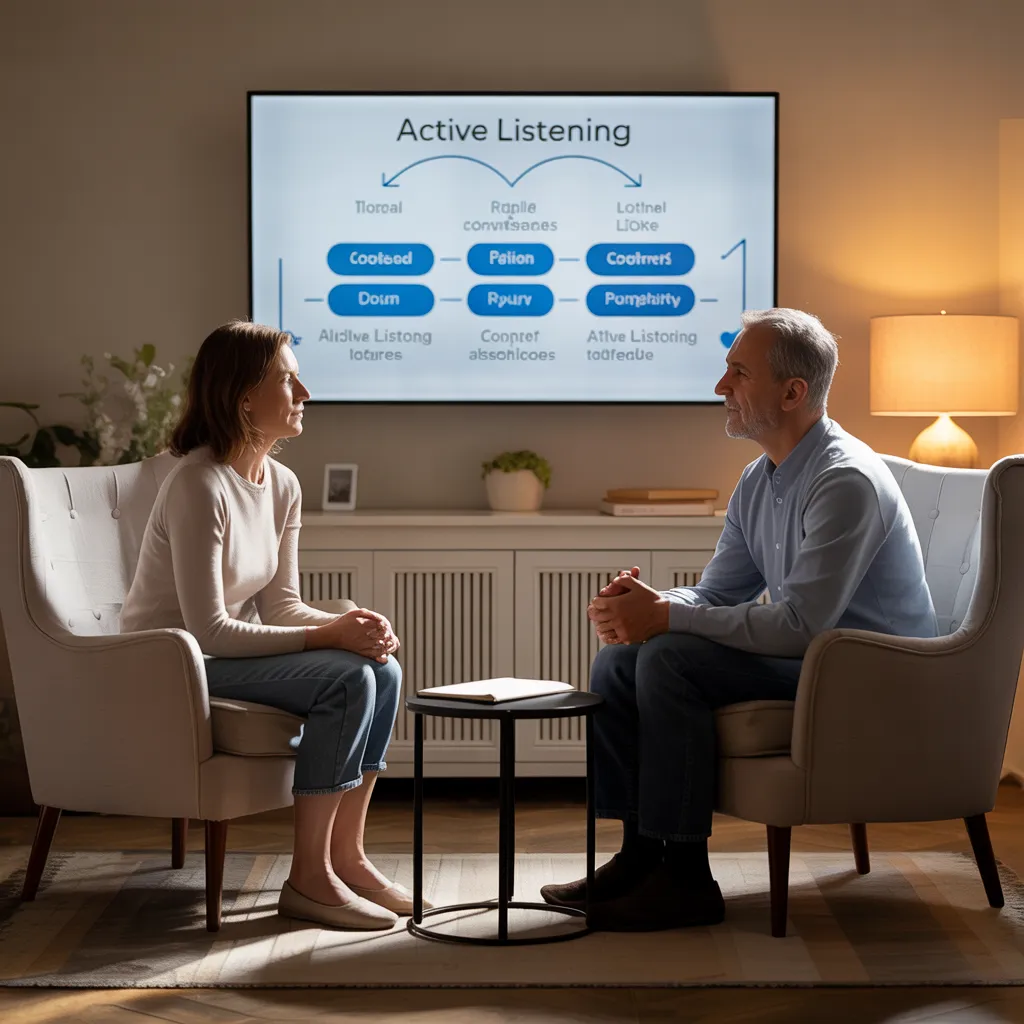
How can couples foster deeper connections through effective dialogue? The key lies in enhancing communication skills, a vital aspect underscored in couples therapy. Through mastering attentive listening methods, partners can better understand each other's perspectives, fostering empathy and reducing misunderstandings. This technique prompts individuals to convey their feelings and thoughts transparently, leading to healthier exchanges.
Moreover, partners are instructed to implement "I" statements, which aid in communicating personal emotions without placing fault. This method reduces defensiveness and encourages constructive conversations. Body language cues, such as body movements and visual engagement, are also emphasized, as they can greatly affect how messages are perceived.
Creating Authentic Bonding
How can couples develop deeper emotional intimacy? Couples can initiate this process by emphasizing sincere and candid communication. Communicating thoughts, sentiments, and life experiences promotes authenticity, helping partners form stronger connections. Frequently planned "check-ins" can build a protected space for conveying feelings and addressing relationship matters.
Participating in shared activities also strengthens emotional bonds. Whether through hobbies, travel, or simple date nights, these experiences create opportunities for connection and mutual satisfaction. Moreover, practicing active listening is vital; partners should focus on understanding each other's perspectives without interruption or judgment.
Expressing appreciation and gratitude can even more deepen intimacy, as recognizing mutual efforts fosters a encouraging environment. Additionally, couples might benefit from examining their emotional triggers together, promoting growth and understanding. By implementing these strategies, couples can build a strong foundation of emotional intimacy that enhances their relationship and fosters enduring connection.
Learning Conflict Resolution Strategies
Maneuvering conflicts is a vital skill for couples wanting to preserve a healthy relationship. Learning effective conflict resolution techniques can empower partners to handle disagreements positively. Couples counseling creates a structured environment where both parties can examine communication styles and identify triggers that escalate conflicts. Through guided sessions, partners learn to communicate their feelings without casting blame, cultivating a sense of understanding.
Strategies such as active listening, where each partner carefully listens to the other's perspective, can substantially reduce misunderstandings. Additionally, the practice of taking breaks during heated conversations allows couples to calm down and reflect before re-engaging. Implementing ground rules, like avoiding talking over or raising voices, creates a respectful dialogue. By adopting these techniques, couples can transform conflicts into opportunities for growth, thereby strengthening their relationship. Ultimately, effective conflict resolution not only fixes immediate issues but also builds a foundation for healthier interactions in the future.
Rekindling Romance and Emotional Intimacy
How can couples reclaim the spark that at first drew them together? Couples counseling provides strategies to revive passion and connection in relationships that may have become monotonous or uninspiring. By encouraging open communication, therapists help partners articulate their needs and vulnerabilities, nurturing a deeper emotional intimacy. Participating in shared activities can also reignite excitement; venturing into new hobbies or revisiting cherished experiences together can rekindle feelings of closeness.
Additionally, partners should emphasize quality time, devoid of distractions, where they can re-establish their bond without the demands of daily life. This purposeful focus on each other can improve their emotional bond and restore physical attraction. The process of rekindling passion is not only about romance but requires understanding each partner's shifting needs and desires. Through counseling, couples can develop a positive environment that strengthens their connection, enabling them to navigate challenges while reviving the love that initially brought them together.
Developing Lasting Partnership Targets
Establishing long-term relationship goals requires determining shared aspirations that align both partners' visions for the future. By creating measurable milestones, couples can measure their progress and keep motivation over time. This structured approach encourages commitment and enhances the overall strength of the relationship.
Outline Collective Aspirations
Collective ambitions work as the foundation for sustained couple ambitions, cultivating a sense of unity and purpose between partners. By pinpointing and voicing shared dreams, couples can create a roadmap that coordinates their individual desires with their collective vision. This process encourages open communication and mutual understanding, permitting both partners to share their hopes for the future.
Creating shared aspirations can involve exploring career ambitions, family planning, or lifestyle choices, cultivating a deeper connection. When partners are mindful of each other's goals, they can support one another in chasing these aspirations. This alignment not only fortifies their bond but also enhances their potential to navigate challenges together, ultimately resulting in a more rewarding and resilient relationship.
Establish Measurable Milestones
As they envision a future together, couples profit from setting measurable milestones that turn shared aspirations into actionable steps. By establishing specific, quantifiable goals, partners create a roadmap that guides their relationship journey. These milestones can range from financial objectives, such as saving for a home, to personal growth goals, like attending workshops together. Defining these targets promotes accountability and encourages open communication, allowing couples to celebrate achievements and reevaluate priorities as needed. As they progress, partners can contemplate their growth, enhancing their commitment to one another. This structured approach not only clarifies expectations but also enhances emotional intimacy, helping couples to navigate challenges more effectively while remaining aligned in their long-term vision.
Most Asked Questions
When Do We Need Couples Counseling?
Signs that suggest a need for couples counseling include ongoing communication problems, unresolved conflicts, emotional distance, or repeated patterns of behavior that cause distress. If partners feel stagnant or dissatisfied, seeking professional help can be advantageous.
Does Relationship Counseling Work After Infidelity?
Relationship counseling can greatly support partners in navigating the aftermath of infidelity. It creates a structured environment to address underlying issues, foster communication, and rebuild trust, ultimately supporting healing and reconciliation within the relationship.
What if One Partner Is Unwilling to Attend?
If one partner declines to attend counseling sessions, the other may still benefit from individual therapy. This can deliver support, insight, and strategies for coping, which may cultivate a healthier environment for future discussions about the relationship.
How Much Time Does Couples Counseling Usually Take?
Couples counseling typically lasts between six and twelve sessions, while the period can differ based on unique circumstances and relationship complexities. Many couples can obtain resolution sooner, while other couples may benefit from continued guidance.
Can Couples Counseling Be Effective for All Types of Relationships?
Couples therapy can be productive for various kinds of relationships, but its success chiefly depends upon the individuals' commitment to involvement, express themselves candidly, and devote themselves to the process of comprehending and addressing their issues together.